The Kazinga channel is a broad, 32-kilometer long natural channel connecting the two Lakes; Lake Gorge (which is to the east) and Lake Edward (west). On the Eastern side of the Kazinga Channel is Lake George, a tiny lake with an overall depth of 2.4 meters and 250 sq km. Streams flowing from the spectacular Rwenzori Mountains feed into the lake to create a massive water body. The outflow from Lake Gorge flows through this Kazinga Channel and drains west into the adjacent Lake Edward (which is among the main fresh-water lakes in Uganda) that covers a total area of 2,000 sq km.
The shores of the channel, throughout the year, draw a large number of wild animals including birds, and reptiles. Kazinga channel host the largest population of hippos and plentiful Nile crocodiles.
The boat cruise is enriching for viewing wildlife that comes to the channel’s banks for water. The UWA operated boat launch safari sets off at 11:00 am, 1:00 pm, 3:00 pm, and 5:00 pm local time. The launch begins at the Mweya peninsula, 20 km west of Kasese-Mbarara main road through Katunguru. There are special hire taxis available at the Katunguru trading center, charging around Ush30,000 or $10 to Mweya.
The channel has two parts; North Kazinga and Kasenyi. The lake’s shores attract a large concentration of mammals, birds, and reptiles all year around. The animals can be viewed well by the Nile cruise or probably at the entrance of Lake Edward. The most convenient and favorable place to spot the lions is within the eastern section of the Kasenyi plains. They prey on a large number of resident Uganda Kobs in that area.
The peninsula is located on the northern bank of the impressive Kazinga Channel at the channel’s convergence with Lake Edward. The peninsula is the heart of sightseeing activities because it overlooks Katwe bay of Lake Edward. The Mweya peninsular with well-maintained tracks include the Channel Track down to Katunguru gate and then across to Kabatoro gate. Kabatoro gate has a chunky ground cover with dense vegetation dominated by candelabra thorn that creates game viewing challenges.
The park operates a 20 seater motorized boat that runs two trips a day. However, there can be more rides depending on the number of visitors. Expeditions set off from the landing stage beneath Mweya lodge. Make your booking at the visitor information center. The Mweya peninsula provides the best leopard viewing opportunities.
Kyambura Gorge, also known as “Valley of Apes,” is located in Queen Elizabeth National Park’s far eastern corner. It covers 1 km across and about 100 meters deep. The gorge has a rich wildlife bio-diversity that comprises primates, wild animals, and birds. The fantastic canyon will marvel at you with the verdant, rich tropical rainforest right close to the Equator, crossing with tree canopies providing shade and cover from the harsh sunshine. There is an excellent assortment of plant life at the gorge.
Three salty crater lakes attract vast numbers of beautiful flamingos. Travelers can best explore the Gorge on foot; taking a nature walk will unveil the gorge’s natural beauty.
Kasenyi is located within the north-eastern part of Queen Elizabeth National Park and is 48 kilometers by road, south-east of Kasese. The open savannah plains are on the adjacent stunning Lake George’s western shores, just near to the area where the Kazinga Channel confluences with this lake.
The open savannah region protects the highest number of game animals compared to any destination in Uganda. Lions converge on the plains to catch easy prey, providing Queen Elizabeth National Park’s best opportunities to see lion action. Kasenyi plains area also has numerous bird species like the yellow-throated long crow, red-throat spurfowls, and grey-crown cranes.
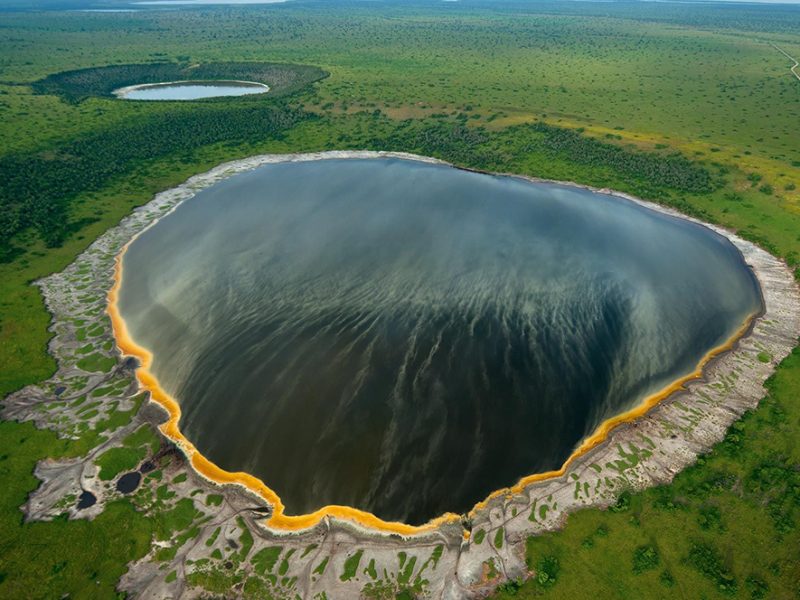
Though many explosion craters are extinct, few still release sulfurous smells. The three significant concentrations are; Katwe Explosion Craters in QENP, Bunyaraguru Crater Field on the Kichwamba escarpment Ndali-Kasenda Crater Field close to Kibale National Park.
The Katwe explosion craters are situated north of the impressive Mweya Peninsula. The enormous Kyemengo Crater is the most alluring among the Katwe Explosion Craters. The craters in the past reduced Lake Edward to a poisonous mess. Unlike Volcanoes, Explosion Craters actually do not pile cones. They merely blow ash as well as rock to distances far away.
The craters are now breathtaking lakes, and many have smelled of sulfur in their waters. The crater lakes are exceptional viewpoints for nature walks and birding.
You can enjoy a spectacular Crater Drive, which presents distant sights of the stunning crater views, the Great Western Rift Valley plus its escarpments, Lake George, the Rwenzori Mountains of the Moon, the Kazinga Channel, and Lake Edward while on your way. Lake Kitagata can be seen, which is a lake fed by salty hot-springs with no wildlife around
Lake George is small and shallow and located in the western part of East Africa’s Rift Valley. Several inflows from the extensive mountain Rwenzori ranges such as Dura, Mpanga, Nsonge, Rumi, and Mubuku supply Lake George with its water.
Its outflow is into the Kazinga Channel that drains toward the adjacent Lake Edward. At 914m altitudes, the lake experiences two rainy seasons having the rainfall peaks within May and October. The islands on this lake are Kankuranga, Iranqara, and Akika. The shores are dominated by papyrus reeds and swamps where you can catch a glimpse of the sitatunga antelope, rare Shoebill, and other birds.
Though many explosion craters are extinct, few still release sulfurous smells. The three significant concentrations are; Katwe Explosion Craters in QENP, Bunyaraguru Crater Field on the Kichwamba escarpment Ndali-Kasenda Crater Field close to Kibale National Park.
The Katwe explosion craters are situated north of the impressive Mweya Peninsula. The enormous Kyemengo Crater is the most alluring among the Katwe Explosion Craters. The craters in the past reduced Lake Edward to a poisonous mess. Unlike Volcanoes, Explosion Craters actually do not pile cones. They merely blow ash as well as rock to distances far away.
The craters are now breathtaking lakes, and many have smelled of sulfur in their waters. The crater lakes are exceptional viewpoints for nature walks and birding.
You can enjoy a spectacular Crater Drive, which presents distant sights of the stunning crater views, the Great Western Rift Valley plus its escarpments, Lake George, the Rwenzori Mountains of the Moon, the Kazinga Channel, and Lake Edward while on your way. Lake Kitagata can be seen, which is a lake fed by salty hot-springs with no wildlife around.